
Ask The Editors: Yamaha Blaster Rock Master?

The oil-injected 195cc Yamaha Blaster 2-stroke enjoyed a massive following in its 1988 to 2006 lifespan here in the United States. In that time and even now, it is safe to say that there isn’t a trail condition in the world that someone hasn’t attempted on the machine. That’s not to say every such attempt was successful of course, but there is a very good possibility a Blaster or two have been taken on the very Colorado trails you have in mind.
The biggest pros to Blaster ownership include reliability, simplicity, a massive aftermarket, decent low end power (especially for a 2-stroke) and perhaps biggest of all, price (we commonly encounter decent used examples in the $600-$900 range).
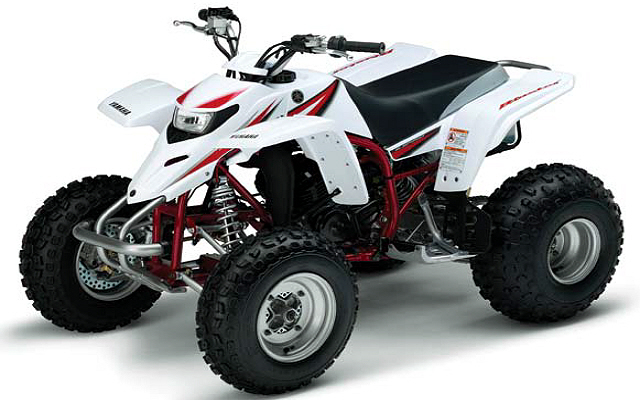
Whether or not the experience of riding one across rocks will be miserable, however, depends on a few key factors. First your skill level/ confidence as the Blaster is rear drive and makes use of a manual clutch and secondly, the type of rocks you’re talking. For shale beds, rock gardens, dried waterways and gravel roads, the Blaster will never give you a hint of complaint. If you’re thinking boulder hopping, rock climbing or successive rock sections consisting of examples larger than the machine’s tires, you are probably better off looking elsewhere.
Remember the following setup tips for rock riding that can make the experience a more enjoyable one:
4-Wheel-Drive: In a condition where traction is vital, it is often beneficial to consider a machine with multiple drive wheels.
Automatic or semi-automatic transmission: While purists may disagree, it is often easier to focus on balancing and counterbalancing your machine without concern of stalling the engine. The Blaster uses a manual clutch and 6-speed transmission (without reverse).
Skid Plates: The ATV’s sensitive underbelly is at great risk of damage when rocks enter the equation. Look for a quad with adequate bottom-side protection, or consider adding such plates from the aftermarket if it came from the factory without.
Suspension: Independent Rear Suspension (IRS) is generally preferred to an axle system like that of the Blaster for its increased stability in off-camber situations as well as the traction benefits of each of the rear wheels interacting with the terrain separately. Finally, rock crawling favors a particularly soft shock setup to absorb the multitude of impacts while keeping the wheels firmly planted. The Blaster’s relatively simple suspension package is spring preload-adjustable only.

You must be logged in to post a comment.