
Ask The Editors: Engine Knock 101
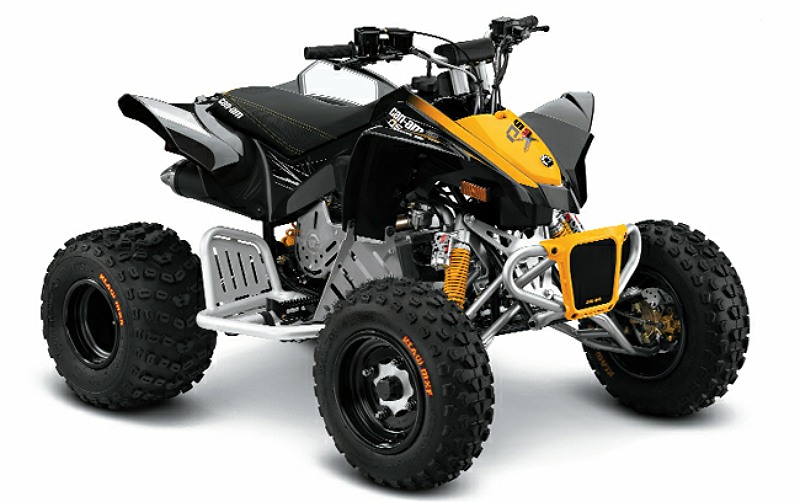
Knock, knock. Who’s there?
Believe it or not, observing when our engines make a trouble noise can be as beneficial as taking note of the noise itself. Knocking can be caused by several factors but you can almost eliminate a lot of the culprits in the fact that it seems to manifest only when accelerating.
Knocking brought on by the valve train – sticking valves, noisy lifters etc. are usually a tapping or clicking sound that actually gets quieter as you increase the RPM.
Similarly, valve/ piston contact will be present anytime the engine is running, even at idle.
What you describe matches the description of a mechanism that shouldn’t require you to tear the engine down at all – detonation (sometimes called pre-detonation). This is the pinging or knocking heard when accelerating and it results from your air/fuel mixture in the cylinder being ignited prematurely by the heat of compression as the piston is moving upward rather than by the firing of the spark plug.
That fuel detonation inside the cylinder creates a minor shock wave that smacks the top of the advancing piston, resulting in the knock we hear.
Fixing it can require a little trial and error as there isn’t just one universal cause for this condition. We would start with the octane of the fuel. Try running the highest octane your gas station carries and see if that remedies the situation.
If that with a fresh spark plug don’t help – it’s time to look at the carb. A lean fuel mixture will cause pre-ignition. Some potential causes here include air leaks your lines, engine or carburetor gaskets that will allow extra air into the intake, thus leaning out the fuel mixture. Clogged carb jets will do it too so begin there by cleaning (or better still, rebuilding) the carburetor. The X series means your model may have fuel injection. A clogged injector will also make similar issues and with computer-controlled (electronic) fuel injection, there is always the possibility that an owner prior to you incorrectly adjusted the fuel mapping.
If, after all this, the problem still persists, it could be overadvanced ignition timing. If resetting the machine’s timing chain to stock specifications doesn’t reduce the knock, retarding timing a couple of degrees should eliminate it entirely.

You must be logged in to post a comment.