
Ask The Editors: ATV Fender Plastics

Home repair can be tricky.
The answer is one of construction method at the factory. While the end result looks like a simple, single piece of plastic, the way this achieved may surprise you. Factories use some seriously powerful injection molds to create our machines’ plastics – the type of molds that require a massive crane just to put them in place.
Small granules of (usually) polypropylene (PP) are sucked in through a hose, heated until melted, then compressed by the mold into the final shape. When we say it takes a great deal of pressure, we’re talking to the tune of nearly 35 hundred tons’ worth.
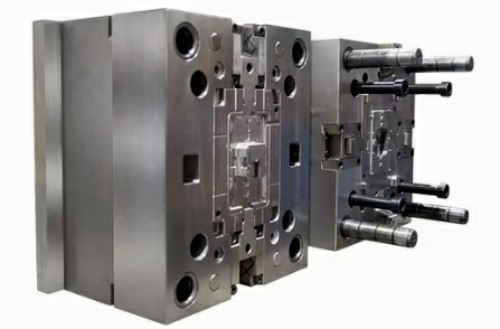
So if it takes that kind of pressure to get them to keep their shape, imagine what happens when a crack develops out in the real world. A bit of epoxy simply isn’t going to replace the look or strength of the factory pressing. In fact, arguably, nothing short of construction of an entirely new set of plastic could.
However, that’s not to say there aren’t some creative solutions out there. The method you describe works. Plastic welding can sometimes yield decent results and we’ve seen ugly but trusty efforts done with a rivet gun and section of aluminum soda can. Similarly, drilling holes and stitching up a crack using zip ties can also work if appearance isn’t a factor.
Also, it should be noted that while polypropylene has been becoming the most common plastic used in fender construction, there are others – polyethylene (PE) and Acrylonitrile Butadiene Styrene (ABS) are also fairly commonly used. The choice of material depends on where on the ATV its going and its intended function. For example, fenders are often constructed of PP or PE for flexibility and impact resistance, while more rigid components like a cover could get by with stiffer ABS.

You must be logged in to post a comment.